October 02, 2026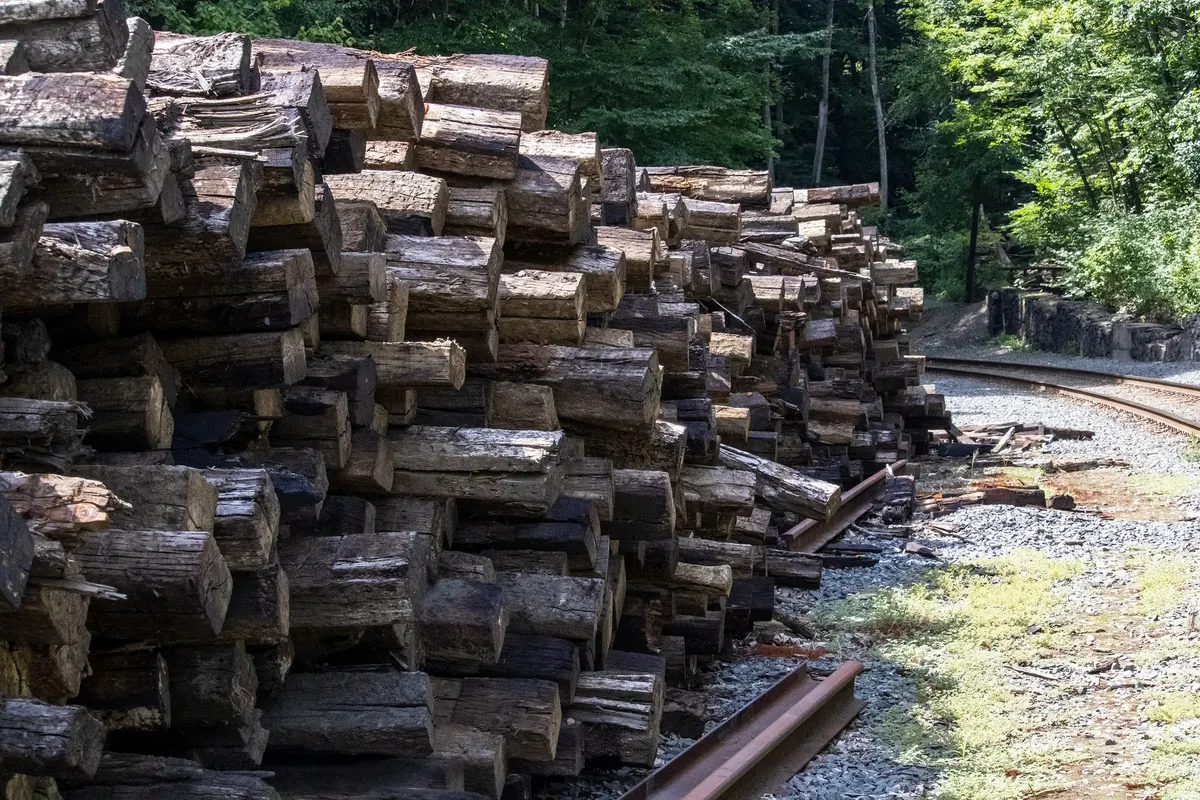
A loaded log lorry pulling out of a woodland gate looks straightforward enough. Behind it sits a sequence of decisions — which trees to fell, who is allowed to fell them, where the timber is stacked, how it is measured, what the mill does with it and whether anyone can prove where it came from. Each stage adds or removes value, and most of the value is decided before the saw ever turns.
Licence, consent and marking up
In most parts of the UK you cannot fell a stand of timber just because you own it. A felling licence is normally required, and the threshold is low — a few cubic metres in a calendar quarter, and lower still if the timber is being sold. Felling without one where it is needed is an offence, so the first job is a phone call or an online application to the relevant forestry authority: the Forestry Commission in England, Natural Resources Wales, Scottish Forestry, or DAERA in Northern Ireland.
There are exemptions, and there are separate consents. Trees covered by a Tree Preservation Order or standing in a conservation area need local planning authority consent, and larger felling or woodland removal may need an environmental impact assessment determination. Licences usually carry a restocking condition, so the replanting obligation is part of the deal, not an afterthought.
On the ground, a good harvesting plan starts with paint. Mark the trees to be felled, group them by intended product — sawlog, pallet wood, fencing, biomass — and decide the felling direction so the stems land where the machine can reach them without smashing the remaining crop. Chainsaw operators should hold recognised certificates of competence, and any commercial operation needs the usual machinery inspection and safety paperwork in place.
Extraction and the roadside stack
On gentle ground a harvester will fell, delimb and cut to length in one pass, followed by a forwarder that carries the timber to the roadside. On steep or sensitive sites a winch and cable system may be the only sensible option. Either way, extraction routes should be planned before the first machine moves: brash mats over soft ground, no tracking through watercourses, and a route that avoids the roots of retained trees.
Where the timber is stacked matters more than people expect. Sort by species and product, keep sawlogs separate from palletwood, and face the butt ends towards the road so the loader can pick them cleanly. Leave the stack clear of the carriageway and out of the way of passing traffic, and measure it soon after stacking — a tidy roadside stack is easier to sell and easier to value.
Haulage: from forest road to mill gate
Log lorries are built with bolsters and stakes, and the load is held with straps rather than chains alone. Drivers must work within gross and axle weight limits, and although timber is a dense load, a full-length consignment of long sawlogs can be awkward on tight bends and low bridges. It is worth walking the route with the haulier beforehand, particularly where weight restrictions, narrow village streets or overhead cables come into play.
At the mill, the first stop is usually the weighbridge. That ticket becomes the basis of the invoice, so check that species, product and volume are recorded as agreed. Keep the delivery notes and weight tickets together; if a dispute arises later, they are the only record of what actually left the wood.
Inside the sawmill: intake, breakdown and sorting
Round timber does not sit happily in a yard. Softwood logs left in warm weather can blue-stain within days, and hardwood ends will split if they dry too quickly, so most mills try to process incoming loads promptly or keep them under water spray.
The saw line
The log passes a metal detector and a debarker, then goes to the headrig — often a large bandmill — where the first cuts open it up and produce a cant. From there the cant is re-sawn, edged and trimmed to finished dimensions, sometimes through a multi-blade line that turns out several boards at once. Slabs and edgings go to the chipper for panel board or biomass, sawdust goes to pellets or animal bedding, and bark goes to compost or fuel.
Sorting is where the mill starts making money. Boards are graded by dimension and quality and stacked for drying, and the pack is labelled so that it can be found again in six weeks or six months.
Drying, grading and the paper trail
Green timber is unstable. Most of it is air dried in open stacks with stickers between the boards and weight on top, then finished in a kiln. Structural timber is typically dried to around 20% moisture content or below; joinery stock needs to go lower. Drying too fast causes case hardening and splits, so the schedule matters as much as the kiln.
Grading is what turns a stack of boards into a specified product. Softwood is visually graded under BS 4978, temperate hardwood under BS 5756, and machine stress grading to BS EN 14081 assigns strength classes such as C16 or C24. The grade, the standard and the producer's mark go on the piece and on the pack.
Alongside the timber travels a paper trail:
- the felling licence or consent, with its restocking condition
- site plans, species records and volume measurements
- delivery notes and weighbridge tickets for every load
- due diligence records under the UK Timber Regulation, which applies to timber placed on the market in Great Britain
- chain of custody certificates, such as FSC or PEFC, supported by a UKWAS-certified woodland
- heat treatment or ISPM 15 marking records where timber is used for export packaging
Home-grown softwood supplies a large share of what UK sawmills cut, while specialist hardwoods, joinery grades and many appearance products are still imported. That mix means buyers ask questions about origin and legality, and a supplier who can answer them quickly tends to win the order.
Practical points before the first load moves
- Confirm whether a felling licence is needed, and apply early — approvals take time.
- Walk the extraction route and the haul route with the contractor and the driver.
- Agree the measurement basis in writing: standing, roadside or mill gate, and whether volume is over or under bark.
- Stack by species and product, and photograph the stacks.
- File every ticket, licence and certificate in one place as the job proceeds.
None of this is glamorous work. But a chain that is planned from the standing tree forwards — consent, cutting to specification, clean extraction, honest measurement and complete records — is the difference between timber that sells itself and timber that sits at the roadside losing value while everyone waits for the paperwork to catch up.
Photo: Tim Dusenberry / Pexels